


In the global distribution of personal thermal management equipment, maintaining product integrity from the manufacturing facility to the end-user requires strict adherence to material science protocols. Wearable cooling gear is engineered to endure harsh environments, yet the logistics of these items demand precise handling to ensure their thermodynamic properties remain uncompromised. This technical brief outlines the distinct material classifications and standardized transportation protocols for modern cooling wearables.
Material Classification and Thermodynamic Profiles Understanding the specific cooling mechanism of the inventory is the first step in supply chain management. For instance, products utilizing evaporative cooling technology, such as the Water Activated Cooling Tube For Neck, rely on superabsorbent polymers (SAP) that expand when exposed to moisture. During transportation, these units must remain hermetically sealed in low-humidity environments to prevent premature activation or mold proliferation during transoceanic shipping.
Conversely, advanced latent-heat technology relies on specific phase transitions. Devices like the PCM Neck Cooling Ice Ring utilize Phase Change Materials (bio-based alkanes or lipids) encapsulated in high-frequency welded Thermoplastic Polyurethane (TPU). A critical misconception in the logistics sector is that these products require refrigerated transport. In reality, PCM transitioning into a liquid state during high-temperature summer transit is its natural physical function and causes zero degradation to the material's thermal capacity. Standard dry shipping is both economically optimal and scientifically sound.
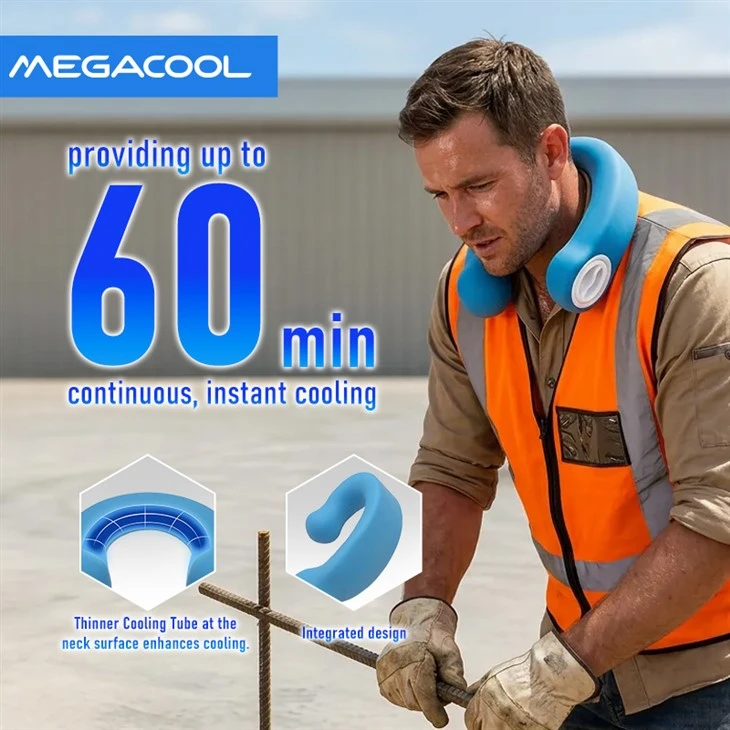
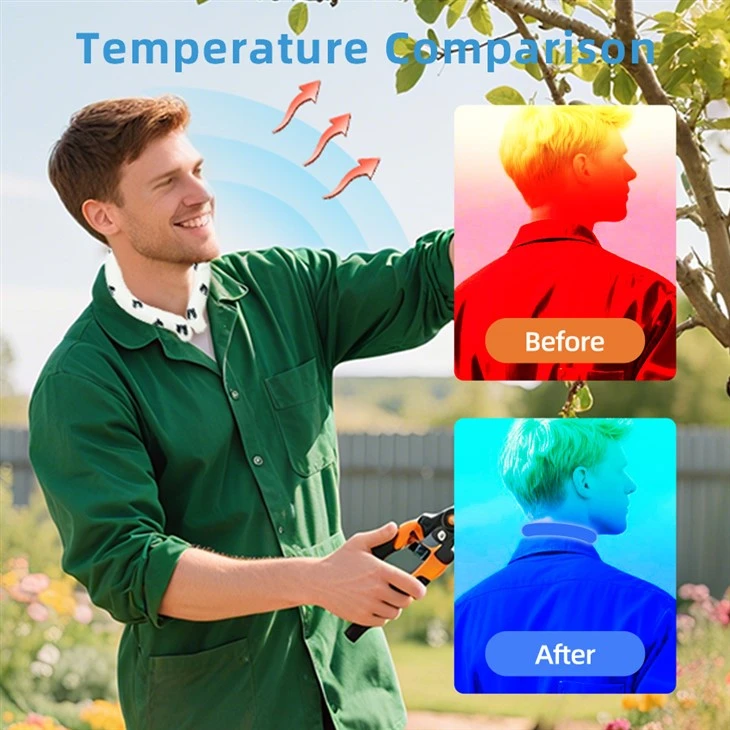
Structural Integrity and Vibration Mitigation While thermodynamic degradation is not a primary concern for PCM, mechanical abrasion during transit is a logistical priority. The exterior envelope of premium cooling gear must resist puncture and fatigue. When shipping bulk quantities of a flexible Ice Cooling Neck Wrap, the primary threat is not temperature, but sharp compression or severe harmonic vibration against the cargo container. High-grade items are rigorously packed in heavy-duty corrugated cartons utilizing specific dunnage (such as sealed air cushions or precise foam compartmentalization) to prevent the TPU casing from experiencing extreme localized pressure or abrasion.
Standardized Shipping Protocols and Documentation To streamline international customs and ensure compliance:
- Thermal Tolerance Declarations: Bills of Lading should explicitly state that the melting of internal PCM contents during transit is non-hazardous and a standard property of the goods, preventing unnecessary customs quarantine.
- Winter Logistics: While high heat does not damage PCM, extreme sub-zero temperatures during winter freight can cause certain bio-lipids to over-crystallize, making the TPU shell temporarily rigid. Drop-testing protocols must dictate that frozen products be allowed to acclimate to room temperature before aggressive unpacking to prevent micro-fractures in the polymer shell.
- Moisture Barriers: For water-activated gear, silica gel desiccants must be integrated into the primary packaging to maintain absolute structural dormancy until point-of-sale.
Conclusion for B2B Distributors The transportation of personal cooling equipment does not require costly cold-chain logistics, but it does mandate rigorous mechanical protection and humidity control. By standardizing packaging protocols based on the specific thermodynamic properties of evaporative and PCM technologies, global distributors can ensure 100% product efficacy upon delivery while maximizing supply chain cost-efficiency.