


In high-intensity occupational environments and professional athletics, mitigating heat stress is a critical factor for maintaining physiological performance and cognitive focus. The integration of Phase Change Material (PCM) into personal wearable equipment represents a significant advancement in passive thermal regulation. Procurement engineers and safety managers frequently evaluate the geometric fit and adaptability of these devices. This technical paper analyzes the engineering principles behind the adjustability and thermodynamic efficiency of PCM headgear.
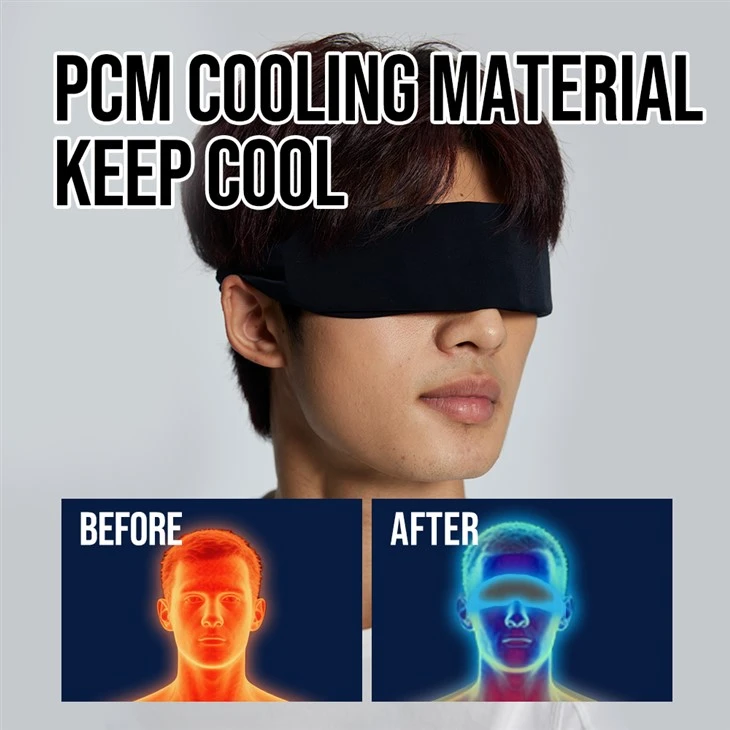
Thermodynamics and Passive Ergonomic Fit Efficient heat transfer requires optimal surface contact between the thermal sink and the wearer's skin. Utilizing a specialized PCM Cooling Head Band provides a targeted reduction in superficial capillary temperatures. In advanced manufacturing, the adjustability of such devices is not achieved through rudimentary buckles or straps, which create thermal gaps. Instead, high-end PCM is hermetically sealed within industrial-grade Thermoplastic Polyurethane (TPU). The inherent modulus of elasticity of the TPU-often molded into an ergonomic horseshoe or omega (Ω) profile-provides a "passive clamping force." This material memory ensures a secure, self-adjusting fit across diverse cranial circumferences without restricting blood flow.
Modular Integration with Textile Carriers While bare TPU models excel in cleanroom or highly sanitary environments, rugged outdoor applications require distinct structural versatility. For broader environmental exposure, deploying a PCM Multi-function Outdoor Cooling Neck Wrap introduces textile-based integration. In this architecture, the rigid or semi-rigid PCM core is housed within an engineered moisture-wicking fabric carrier. The external fabric shell utilizes low-profile hook-and-loop closure systems, granting the operator maximum mechanical adjustability. This is essential for layering beneath heavy Personal Protective Equipment (PPE) or integrating with high-impact sports helmets.
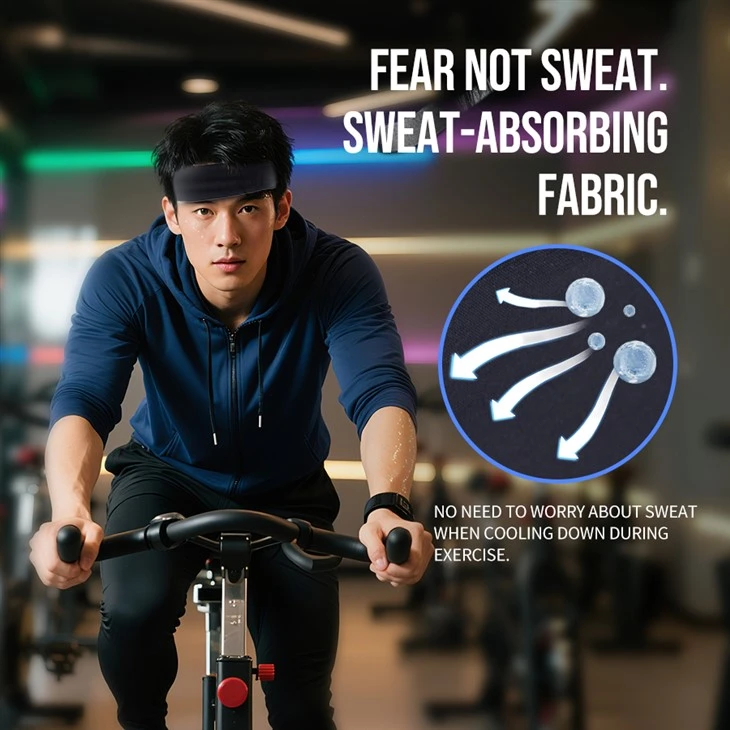
Detachable Architectures for Versatile Deployment In dynamic industrial and athletic operations, thermal management must not obstruct physical mobility. To address complex ergonomic requirements, the Detachable PCM Outdoor Neck Cooler offers a modular approach to adjustability. Rather than wrapping statically around the body, these detachable modules utilize heavy-duty polymer clips or integrated snap systems, allowing the cooling cell to be anchored to existing harnesses, hydration packs, or collar structures. This exact spatial positioning guarantees that the cooling load is concentrated precisely on high-vascular zones without causing anatomical interference.
Occupational Safety and Compliance Standards It is imperative to distinguish industrial thermal regulation from medical intervention. Professional PCM gear is engineered utilizing bio-based alkanes that transition at strict thresholds (e.g., 24°C or 28°C) to safely extract latent heat while remaining above the dew point, preventing hazardous condensation. These devices are strictly classified as Occupational Safety and Health Administration (OSHA) compliant heat-stress mitigation tools, not medical devices. They exist to prevent heat exhaustion in foundry workers, construction personnel, and endurance athletes, operating safely within physiological limits without inducing vasoconstriction or frostbite.
Conclusion for B2B Procurement The adjustability of PCM cooling gear is a sophisticated interplay between thermoplastic material memory, textile engineering, and modular anchoring systems. By standardizing procurement around ergonomically self-adjusting TPU structures and modular fabric carriers, enterprise safety directors can guarantee optimal thermal relief, unparalleled user comfort, and strict compliance with workplace safety mandates.