


Personal protective equipment (PPE) plays an essential role in protecting workers in healthcare, industrial, and other high-risk environments. However, PPE can also create a challenging thermal environment by limiting heat dissipation and trapping warm air around the body.
This issue became particularly visible during the COVID-19 pandemic, when nurses and other healthcare professionals were required to wear multiple layers of protective equipment for extended periods.
A 2020 study conducted in the Netherlands by Radboud University Medical Center and TNO investigated whether cooling vests could help reduce the perceived heat strain experienced by nurses working in COVID-19 care.
The findings highlighted an important point: cooling technology does not necessarily need to dramatically lower core body temperature to improve thermal comfort. Reducing the sensation of heat and physiological strain can itself make demanding work more manageable.
The Challenge of Heat Stress Under PPE
Medical PPE can significantly reduce the body's ability to release heat.
Protective gowns, masks, gloves, face protection, and other equipment can create an insulated microclimate around the skin. This may restrict both dry heat loss and evaporative cooling, particularly during physically demanding work or prolonged shifts.
For healthcare professionals, excessive thermal discomfort can contribute to increased perceived exertion, fatigue, and difficulty maintaining comfortable working conditions.
The same challenge can occur in other industries where workers must wear protective clothing for extended periods.
Construction workers, manufacturers, firefighters, industrial operators, and other professionals may all face elevated heat exposure while working in protective garments.
What Did the Cooling Vest Study Show?
During the Dutch study, seventeen nurses working in a COVID-19 care department were observed over two working days-one day with a cooling vest and one day without one.
The nurses wore the cooling vest over their regular medical clothing and underneath their protective clothing.
The cooling vest used phase change material (PCM) technology and was maintained at approximately 21°C. During a work break, the vest was replaced with a newly prepared one.
The study found that the cooling vest did not significantly reduce core body temperature, but it did improve several perceptual and physiological responses.
Heart rate was lower, while the nurses' perception of thermal discomfort was substantially reduced.
Almost all participants reported that working while wearing the cooling vest felt comparable to working without the additional thermal burden created by PPE.
These findings demonstrate the potential value of personal cooling technology in situations where conventional cooling methods are difficult to implement.
Cooling Technology for Modern Healthcare Environments
While the COVID-19 pandemic created an extreme example of PPE-related heat strain, the need for personal cooling remains relevant across many professional environments.
Healthcare workers may spend long periods in protective clothing, particularly in operating rooms, isolation areas, laboratories, emergency response environments, and other temperature-controlled but PPE-intensive workplaces.
A wearable cooling solution can provide localized thermal relief without requiring the temperature of the entire working environment to be changed.
MEGACOOL Wearable Cooling Vest
The Wearable Cooling Vest uses liquid circulation technology to provide continuous cooling.
The vest weighs approximately 749 g and is designed for applications including construction and manufacturing workers, medical and epidemic prevention workers, and outdoor sports.
Its adjustable shoulder straps and waist buckle allow the fit to be adapted to different body shapes, while the breathable material is designed for comfortable long-duration wear.
For healthcare and other PPE-intensive applications, this type of wearable cooling system can provide an additional layer of thermal comfort without requiring major changes to the surrounding environment.
Phase Change Materials: Passive Cooling Without Continuous Power
Another approach to personal cooling is Phase Change Material (PCM) technology.
PCM absorbs heat when it changes phase, allowing the material to maintain a relatively stable temperature during the cooling process.
This makes PCM particularly useful for wearable cooling products because it can provide localized cooling without requiring continuous electrical power.
MEGACOOL Lightweight Phase Change Cooling Vest
The Lightweight Phase Change Cooling Vest uses Bio-based PCM technology and weighs approximately 0.98 kg.
The vest is designed for high-temperature work, travel, mountaineering, camping, and other situations where users need portable cooling.
Its adjustable design is intended to accommodate different body shapes while allowing the cooling modules to remain close to the body.
For workplaces where electrical cooling equipment is inconvenient or unavailable, PCM cooling can provide a simple and portable alternative.
Maintaining a Consistent Cooling Experience
Not every cooling application requires the strongest possible initial cooling effect.
For workers wearing protective clothing over extended periods, a stable and comfortable cooling temperature may be more practical than an extremely cold cooling source.
MEGACOOL PCM Cooling Vest for Constant Temperature
The PCM Cooling Vest for Constant Temperature is designed around Bio-based PCM materials that absorb heat during the phase-change process.
The vest is available with different cooling temperature options and is designed to provide a controlled cooling sensation rather than an extreme cold shock.
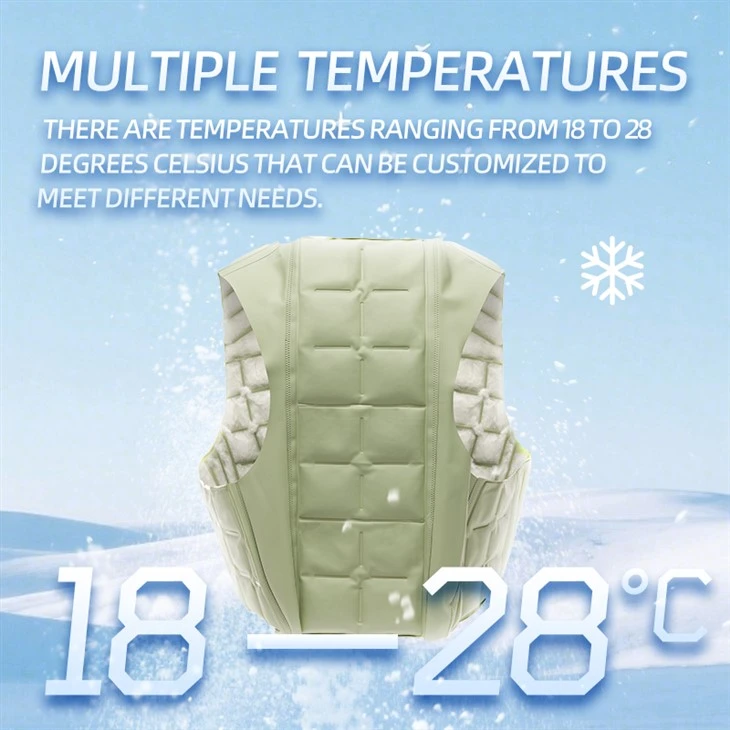
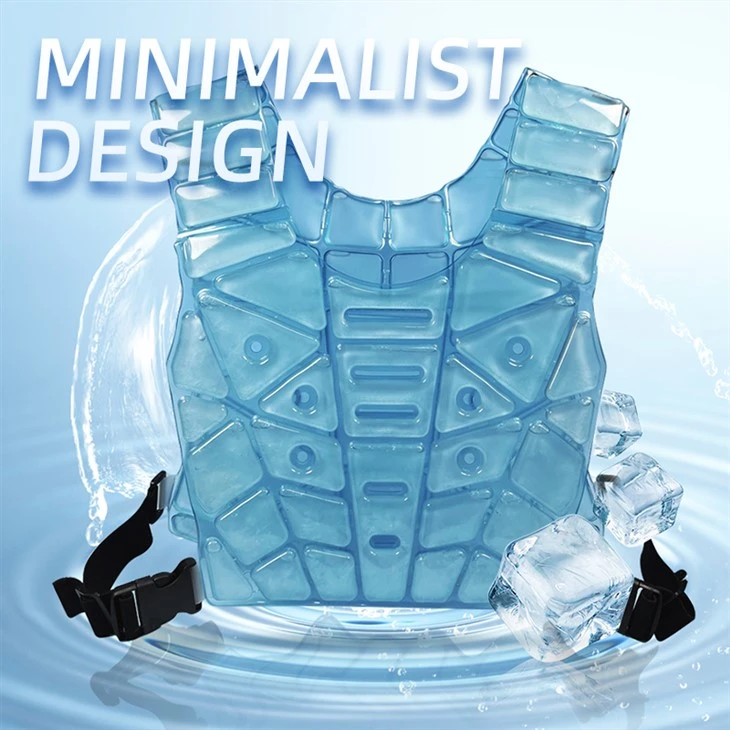
According to MEGACOOL's product information, the PCM vest can be used for outdoor work, high-temperature operations, delivery work, hiking, cycling, camping, and other activities where heat exposure is a concern.
Cooling Comfort and Workplace Performance
Personal cooling products should not be viewed as a replacement for workplace ventilation, rest breaks, hydration, PPE management, or other heat-safety measures.
Instead, wearable cooling can serve as one additional tool for managing thermal comfort in demanding environments.
The Dutch nursing study demonstrates why this distinction matters. Even without a significant reduction in core body temperature, reducing perceived heat discomfort and physiological strain can make workers feel more comfortable during demanding shifts.
For organizations, improving thermal comfort may also contribute to better concentration, reduced fatigue, and a more sustainable working experience.
The Future of Personal Cooling
As global temperatures rise and more workers face hot environments, personal cooling technology is becoming increasingly relevant.
The combination of liquid circulation systems and PCM technology gives organizations different options depending on their working conditions.
Liquid cooling can provide continuous active cooling when a suitable power or water-circulation system is available, while PCM cooling provides a passive and portable solution without continuous electricity.
MEGACOOL continues to develop cooling products for healthcare, industrial, outdoor, sports, and other high-temperature applications.
From wearable liquid cooling vests to Bio-based PCM solutions, the goal remains the same: helping people stay more comfortable and perform more effectively when working or exercising in challenging thermal environments.