

As the weather gets hotter, various "summer cooling artifacts" are making a flashy appearance on social media platforms. This year, a type of cooling ice ring worn around the neck has gone viral. Claiming to "naturally freeze" below 28°C, it requires no charging, is reusable, and is suitable for both adults and children - severely tempting many people who struggle with the heat.
On May 10th, a reporter from Modern Express visited a lifestyle goods store and observed that various seasonal cooling products were placed in the most prominent positions at the entrance. The cooling ice rings took center stage as the season's new arrival. Priced at 98 RMB, they come in three sizes-large, medium, and small-based on neck circumference, with testers provided in different sizes and colors. The product description states that the filling, PCM (Phase Change Material), remains solid in environments below 28°C and absorbs human body heat upon contact, transforming into a liquid state. Because the store had strong air conditioning and a low ambient temperature, the tester rings were all solid. The reporter tried one on and experienced no discomfort, but also did not feel a significant drop in neck temperature.
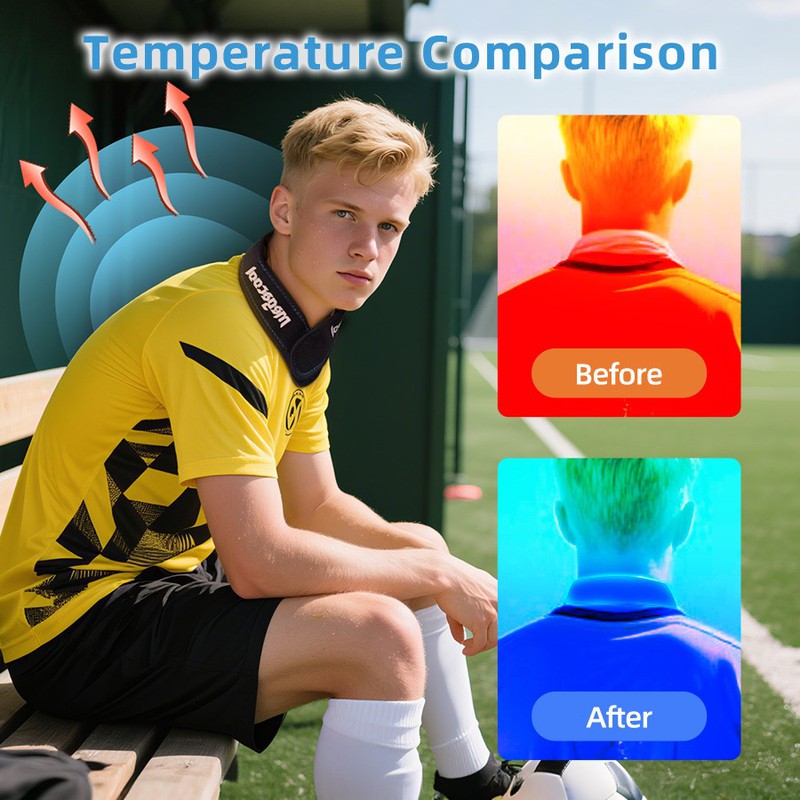
In a warehouse club supermarket in Hangzhou, the reporter saw another brand of cool-feeling ice rings with similar functions, available in pink and blue and priced at 49.9 RMB. Similar to the previous product, the packaging claims the filling naturally solidifies below 28°C and can be worn by both adults and children. In the precautions section, the filling is specifically identified as normal alkane organic compounds. It also advises keeping the product away from fire and high-temperature areas, using it in environments not exceeding 50°C, and keeping it out of reach of infants and pets.
Searching for keywords like "ice rings" on e-commerce platforms reveals cooling rings in a wide variety of styles and patterns, with prices ranging from single digits to nearly a hundred RMB. Depending on the filling material, some need to be frozen in a refrigerator before use, while others solidify in environments below 18°C or 28°C. In the comment sections on social media, netizens' reviews of these cooling rings are mixed. Some users wore it in the office for two hours and felt a continuous cooling sensation on their neck. However, others who used it outdoors reported, "I couldn't feel much coolness, just a tiny bit; it's not as effective as splashing some water on your neck..."
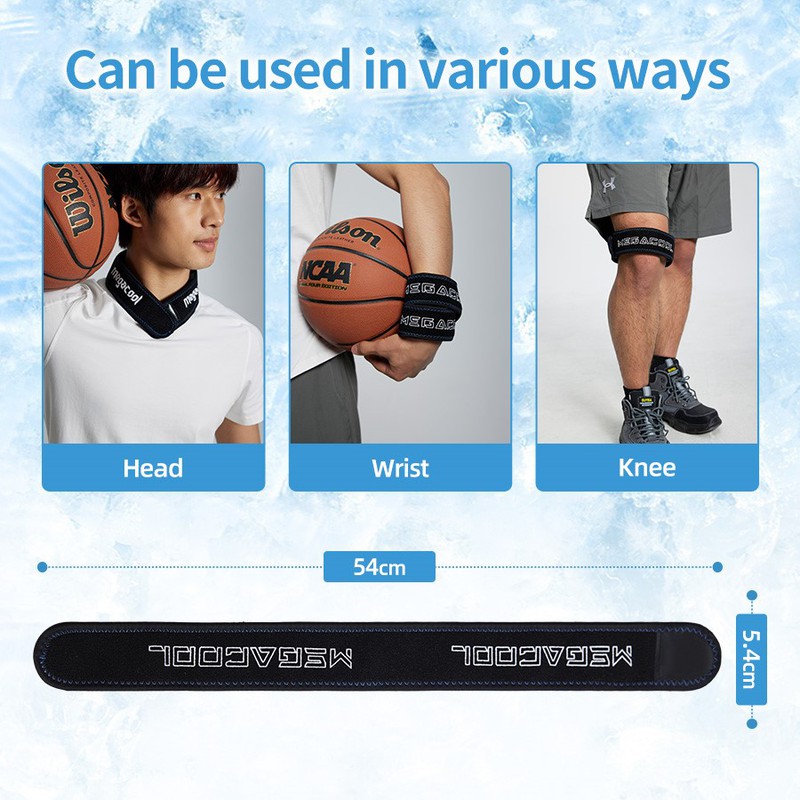
Although the safety warnings on currently available products do not specify unsuitable user groups, some netizens have pointed out that people suffering from cervical spondylosis (cervical spine issues) should avoid such cooling products. Is this claim scientifically sound? A professor noted that patients with cervical spondylosis need to pay special attention to two things in their daily lives: first, avoiding prolonged static postures, such as keeping the head down for too long; and second, ensuring the neck and its surrounding areas are kept warm. If the cooling ice ring keeps the neck at a lower temperature for an extended period, as advertised, patients with cervical spondylosis should use it with caution. He reminded these patients that, regardless of whether the weather is hot or cold, they should avoid excessive exposure to cold to prevent neck chills, which could trigger or worsen existing cervical spondylosis symptoms.
