

Hey there, fellow riders, construction workers, and outdoor enthusiasts! Have you ever put on your helmet on a hot, humid summer day and felt like your head was trapped in a sauna? You're not alone. Helmet cooling packs are becoming increasingly popular, but one question keeps coming up: Do they actually work when humidity is high?
The answer is yes. However, understanding how they work and what affects their cooling performance is important, especially if you spend hours outdoors.
1. How Do Helmet Cooling Packs Work?
Not all cooling packs use the same technology. Traditional ice packs rely on frozen water to absorb heat as the ice melts. Gel packs use cooling gels to provide a similar cooling sensation.
PCM (Phase Change Material) cooling packs work differently.
PCM absorbs heat as it changes from a solid to a liquid state. During this phase transition, it can absorb a considerable amount of heat while maintaining a relatively stable temperature around its designed phase change point.
For helmet cooling applications, the PCM temperature is selected according to the intended use and comfort requirements. Unlike ordinary ice packs, PCM products can provide controlled cooling without the extremely low temperatures associated with frozen water.
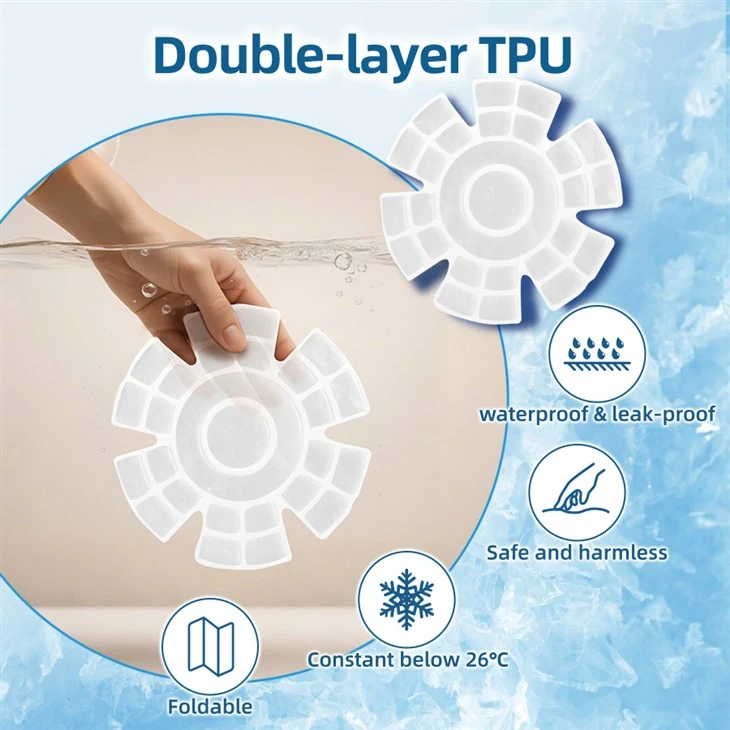
Another advantage is that properly sealed PCM packs do not produce melting ice water, helping keep the inside of a helmet cleaner and drier.
2. Does High Humidity Affect PCM Cooling Performance?
Humidity makes outdoor work and riding more uncomfortable, but it doesn't stop PCM from absorbing heat.
Here's why.
Your body naturally regulates temperature through sweating. When sweat evaporates, it carries heat away from your skin. However, in high humidity, evaporation becomes less efficient, making it harder for your body to cool itself naturally.
PCM cooling packs work through heat absorption rather than evaporation. This means their basic cooling mechanism does not depend on whether the surrounding air is dry or humid.
However, humidity is not the only factor affecting cooling performance. Ambient temperature, airflow, contact with the head, PCM quantity, and phase change temperature all influence how long the cooling sensation lasts.
In other words, PCM cooling packs can still provide localized cooling in humid environments, although they cannot eliminate the effects of high humidity or prevent heat-related illness on their own.
3. How Long Can a Helmet Cooling Pack Stay Cool?
This is probably the most common question from customers.
The cooling duration depends on several factors:
PCM quantity: More PCM generally provides greater heat absorption capacity.
Phase change temperature: Different temperatures are suitable for different applications and comfort preferences.
Environmental conditions: Higher temperatures and greater heat exposure can shorten cooling duration.
Product design: Material thickness, contact area, and helmet ventilation also influence performance.
For example, Megacool's PCM helmet cooling products have an approximate cooling duration of 1.5–2 hours under the specified usage conditions. Actual results may vary depending on the working environment.
For workers with longer shifts, preparing an additional cooling pack can be a practical solution. Once one pack has completed its cooling cycle, it can be reconditioned while the replacement is in use.
4. How to Prepare and Use a PCM Helmet Cooling Pack
Getting the most out of your cooling pack starts with proper preparation.
Step 1: Cool the pack before use.
Depending on the product, you can place it in ice water, a refrigerator, or a freezer. Many of our helmet cooling products can solidify in approximately 15–30 minutes. Always follow the instructions for the specific model.
Step 2: Check its condition.
Make sure the PCM has solidified sufficiently before placing it inside your helmet.
Step 3: Position it correctly.
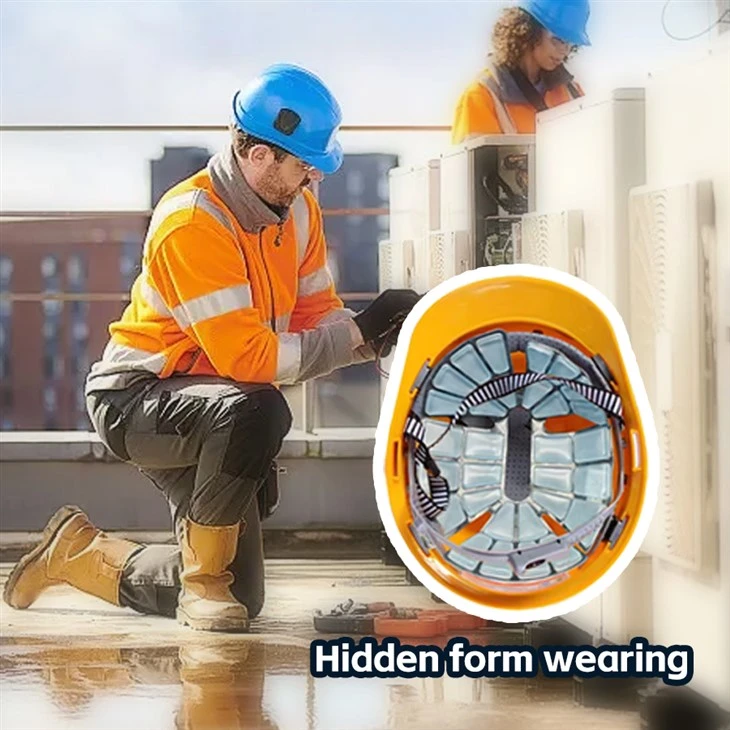
Place the cooling pad in the designated position inside the helmet. Make sure it does not interfere with the helmet's fit, ventilation, retention system, or protective function. Always follow the helmet manufacturer's compatibility instructions.
Step 4: Prepare a backup.
If you work outdoors for several hours, keeping an additional cooled pack in an insulated cooler can help you maintain cooling comfort throughout your shift.
5. Choosing the Right Helmet Cooling Pack for Your Application
Different users have different requirements. Motorcycle riders may prioritize a lightweight, comfortable design, while construction workers may need a practical cooling solution compatible with their safety helmets.
Here are three Megacool products worth exploring:
Designed for construction workers and industrial environments, this PCM cooling pad is suitable for compatible hard hats. Its lightweight design makes it a practical option for outdoor workers.
A reusable PCM cooling solution featuring a contoured design. It can be used with compatible safety helmets, cycling helmets, and other headwear.
A versatile helmet cooling product made with TPU and PCM materials. Available in different color options, with customization possibilities for specific applications.
6. Final Thoughts: Is PCM Cooling Worth Considering in Humid Weather?
Absolutely. High humidity makes natural body cooling more difficult, but it does not prevent PCM technology from absorbing heat.
The key is choosing a suitable cooling temperature, preparing the pack properly, and understanding its actual cooling duration. Remember that a helmet cooling pack is a supplementary comfort solution, not a replacement for hydration, rest breaks, shade, or other workplace heat-safety measures.
At Megacool, we specialize in PCM cooling products for outdoor activities, industrial applications, and everyday use. We offer customized solutions for different product designs, sizes, temperatures, and application requirements.
Whether you're sourcing helmet cooling pads for your brand, equipping a construction team, or developing a new cooling product, we're happy to discuss your project.