

For outdoor enthusiasts, mountaineers, and high-altitude workers, managing body temperature in extreme environments is a matter of safety, not just comfort. As a leading supplier of Phase Change Material (PCM) wearable technology, we are frequently asked: "Will a cooling gadget actually work thousands of meters above sea level?"
The answer lies in the unique thermodynamics of Phase Change Materials. Unlike traditional cooling methods that rely on surrounding air, PCM gear, such as our high-performance PCM Cooling Head Band, offers independent, self-contained thermal regulation that thrives in high-altitude conditions. Let's delve into the science of why this technology is a game-changer for high-altitude expeditions.
The High-Altitude Thermal Paradox: Cold Air, Intense Heat
It is a well-known fact that ambient temperatures drop by approximately 6.5°C for every 1,000 meters of elevation gain. It seems counterintuitive to need cooling in a freezing environment. However, the atmosphere at high altitudes is incredibly thin, meaning solar radiation and UV intensity are exponentially higher.
When climbers engage in strenuous activities while wearing heavy, insulated gear under blazing high-altitude sun, heat becomes trapped against the body. To combat this localized overheating without exposing the body to freezing winds, targeted cooling is required. Products tailored for active users, such as the PCM Women's Cooling Headband, absorb this trapped metabolic heat and solar energy directly from the skin, preventing dangerous core temperature spikes while you remain fully clothed.
Why Air Pressure Doesn't Stop PCM Technology
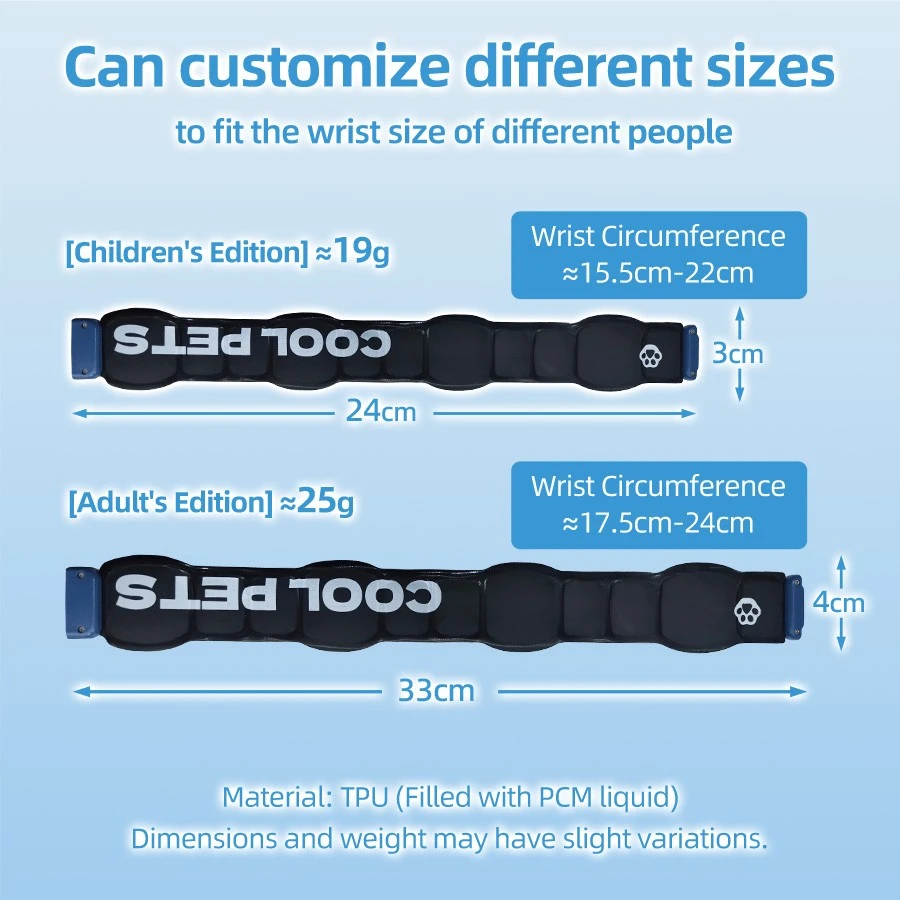
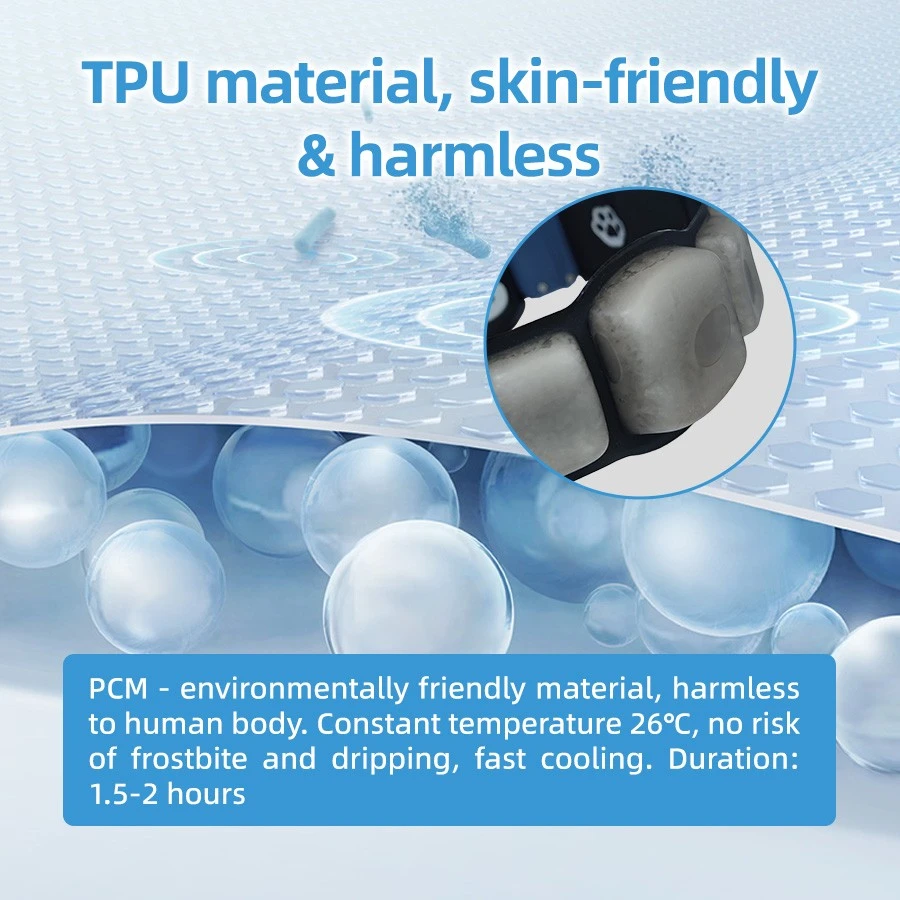
When climbers engage in strenuous activities while wearing heavy, insulated gear under blazing high-altitude sun, heat becomes trapped against the body. To combat this localized overheating without exposing the core to freezing winds, targeted cooling is required. Products tailored for active users, such as our flexible PCM Wrist Cooling Bands, absorb this trapped metabolic heat directly from high-blood-flow pulse points, preventing dangerous core temperature spikes while you remain fully clothed.
Conserving Hydration: The Hidden Benefit
One of the most dangerous threats at high altitudes is dehydration. The dry air and increased respiratory rate already strip water from your body. If you overheat and begin sweating profusely, you risk severe dehydration, which dramatically accelerates altitude sickness.
By actively absorbing excess body heat, PCM wearable coolers significantly reduce your sweat rate. This critical physiological benefit helps conserve your body's vital water reserves, allowing your cardiovascular system to operate efficiently in low-oxygen environments.
Real-World Performance Evaluation
To ensure our gear meets extreme demands, we conduct rigorous testing both in high-altitude simulation chambers and real-world alpine environments. Testers engaged in high-exertion activities at 4,000 meters reported massive improvements in endurance. The PCM maintained its exact phase-change duration, effectively delaying muscle fatigue and preventing heat exhaustion under heavy gear.
Conclusion
PCM wearable coolers do not just survive at high altitudes; they excel. By operating independently of air pressure, managing intense solar heat gain, and conserving vital body fluids, they are essential gear for extreme environments.
If you are an outdoor equipment retailer, an adventure sports team, or an industrial buyer looking for reliable thermal solutions, contact us today. Let's discuss how our advanced PCM cooling wearables can elevate your team's performance at any altitude.