

As global temperatures soar, outdoor workers, athletes, and individuals seeking heat relief are turning to advanced wearable thermoregulation. Among these solutions, Phase Change Material (PCM) technology stands out for its safety and efficiency. However, a frequent question we receive from our B2B clients and retail users is: "What is the maximum temperature limit for using a PCM cooling band?"
To maximize your thermal comfort, it is essential to understand the science behind Phase Change Materials and how environmental factors interact with their cooling capacity. Here is a professional deep dive into how these innovative devices operate in extreme heat.
The Science of True Heat Absorption
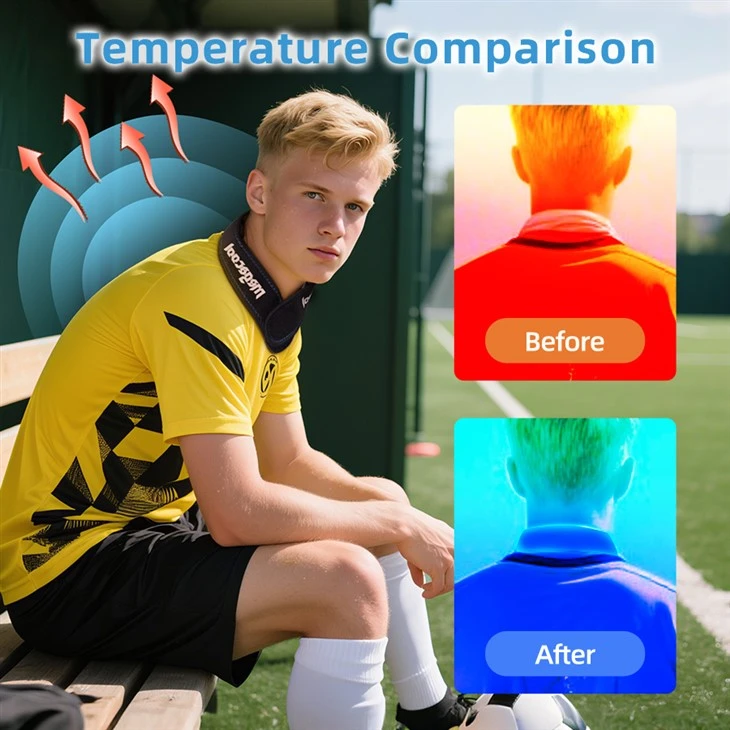
Unlike standard wet towels that rely on evaporation, PCM technology operates on precise conductive heat transfer. A high-quality PCM Cooling Head Band contains specialized compounds configured to transition from a solid to a liquid at a specific, skin-friendly temperature-typically between 18°C and 28°C.
When the ambient temperature or your body heat exceeds this set point, the PCM absorbs the excess thermal energy. It does not "dissipate" this heat into the hot air; rather, it stores it as latent heat, locking the surface temperature at a constant, comfortable level until the material is fully melted.
Understanding Melting Points and Maximum Limits
The primary factor determining how long your gear will last in extreme heat is the PCM's calibrated melting point. For medical relief or intense heat spikes, gear calibrated to lower temperatures is required. For instance, the Fever PCM Cooling Head Wrap is engineered to rapidly absorb acute body heat.
If you step into an environment that is 40°C (104°F) or hotter, the massive temperature difference (Delta T) forces the PCM to absorb heat at an accelerated rate. While the band will still function perfectly and safely, it will reach its maximum thermal capacity (fully melt) much faster-perhaps in 45 minutes instead of 2 hours. Therefore, the "limit" is not about the product failing, but rather about the shortened duration of the cooling effect in extreme conditions.
Volume, Thickness, and Unaffected by Humidity
Another crucial factor in maximum temperature performance is the sheer volume of the cooling agent. A thicker band holds more latent heat capacity. For heavy-duty outdoor applications, utilizing a robust Detachable PCM Outdoor Neck Cooler provides a larger surface area and greater PCM mass, drastically extending the cooling duration even when the sun is blazing.
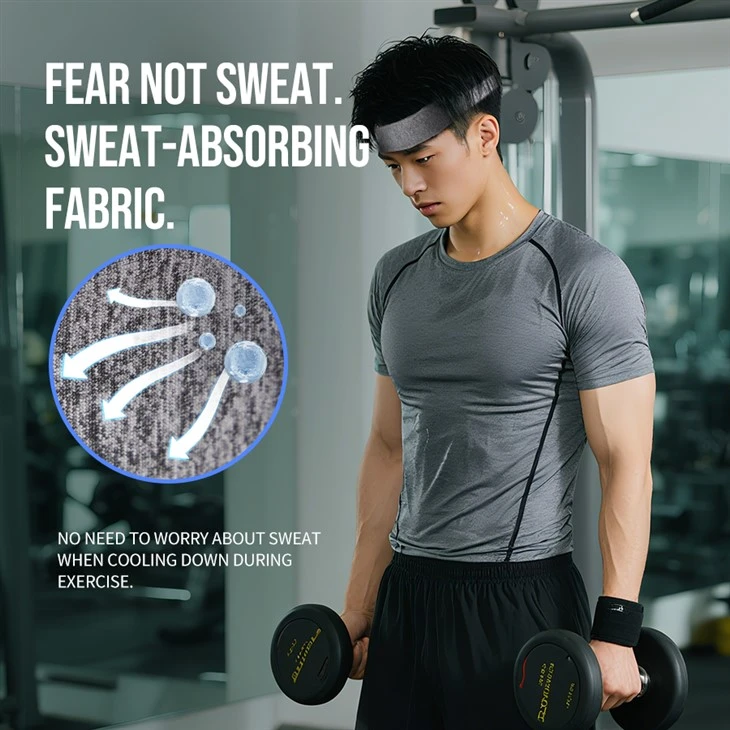
More importantly, unlike evaporative cooling gear, PCM performs flawlessly in 100% humidity. Because it relies on direct skin contact rather than evaporation, high humidity will never compromise its cooling efficiency.
Recharging and Infinite Lifespan
When the PCM is fully melted after battling high temperatures, simply place it in a refrigerator, a cooler with ice water, or even a strongly air-conditioned room below 18°C. The material will release its stored heat and re-crystallize. It is a scientific fact that premium grade PCM does not degrade over time; you can freeze and thaw it thousands of times without any loss of cooling capacity.
Conclusion for Procurement
PCM cooling bands are highly effective in extreme temperatures up to and beyond 40°C (104°F), provided users understand that higher heat simply means faster melting times. By selecting the right volume and temperature threshold, you can ensure continuous safety and comfort. If you are looking to bulk purchase cutting-edge, reliable thermal management gear for your workforce or retail catalog, contact MagaCoolPro today for professional B2B solutions.