

In the ever-evolving world of wearable technology, Phase Change Material (PCM) wearable coolers have emerged as a revolutionary solution for personal thermal management. These innovative products are designed to provide targeted cooling by utilizing the unique latent heat properties of PCMs. However, one question that frequently pops up among safety-conscious customers is: "Are PCM wearable coolers fire-resistant?"
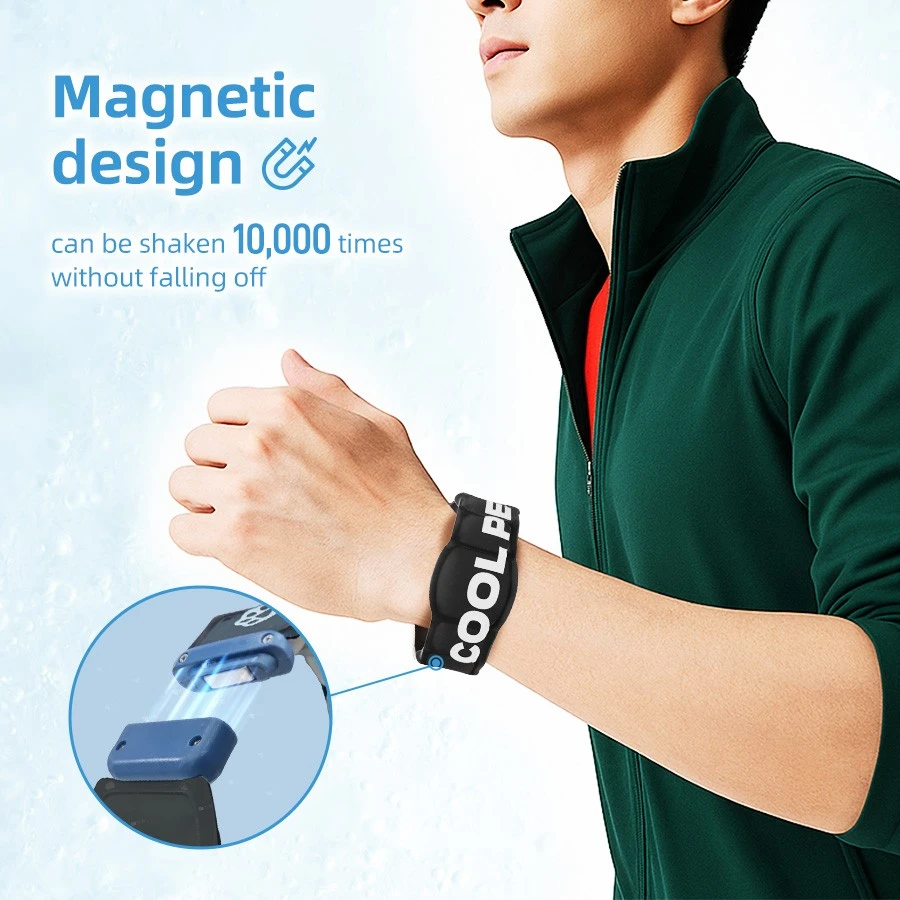
Ensuring safety while staying cool is paramount, especially for active users. Whether you are looking for targeted relief using our PCM Head Cooling Band or seeking portable relief with a convenient PCM Wrist Cooling Bracelet, understanding the engineering behind fire safety is essential.
Understanding PCM Wearable Coolers
PCM wearable coolers are personal cooling devices that incorporate phase change materials. PCMs are advanced substances capable of absorbing and releasing large amounts of thermal energy during a phase transition, typically between solid and liquid states. This latent heat absorption allows PCM coolers to maintain a stable, comfortable temperature plateau for extended periods.
Our product range includes various ergonomic options tailored to different applications. For instance, individuals managing high body temperatures or recovering from illness often utilize the Fever PCM Cooling Head Wrap for gentle, drug-free thermal relief.
The Science of Safety and Fire Retardancy
To address fire safety in PCM wearable coolers, manufacturers must look beyond the core materials. Many standard organic PCMs (such as paraffin waxes) are carbon-based and inherently combustible if exposed directly to open fire. Therefore, true fire resistance is achieved through a multi-layered engineering approach:
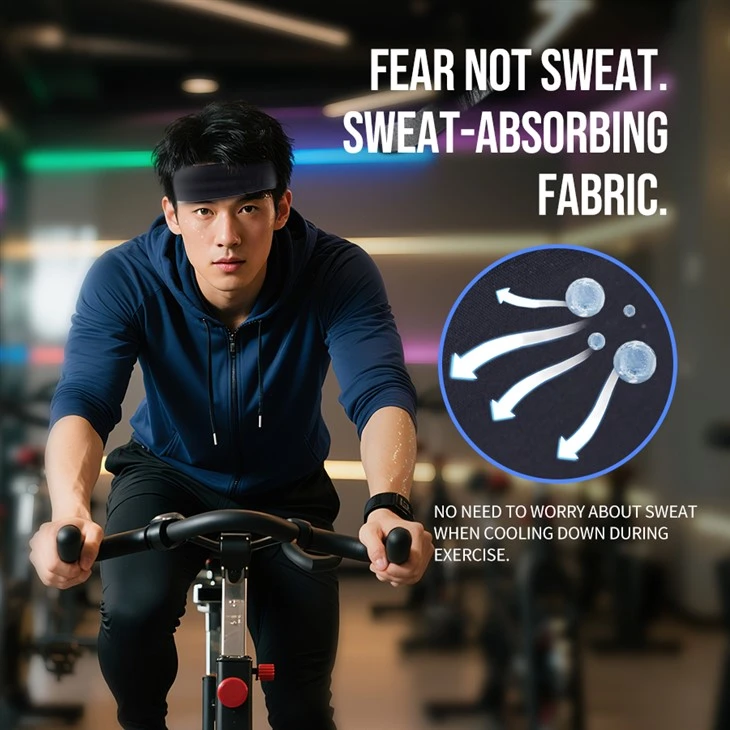
- Flame-Retardant Outer Fabrics: The exterior textiles of high-quality wearable coolers are treated with chemical fire-retardant finishes or woven from inherently flame-resistant fibers. These treatments ensure that if the fabric encounters a spark, it will self-extinguish or significantly slow down flame propagation.
- Encapsulation Barriers: The PCM core is safely sealed inside durable, heat-resistant, multi-layered pouches. This containment prevents the internal material from leaking or coming into contact with external heat sources during normal use.
Rigorous Safety Testing
Reliable personal cooling gear undergoes strict evaluations to ensure compliance with textile and consumer safety standards. Testing protocols often include component-level flammability evaluations (such as horizontal and vertical burn resistance tests on treated outer shells) to ensure that the materials do not easily ignite and meet strict self-extinguishing criteria.
Addressing Common Misconceptions
- Misconception: Because PCMs absorb thermal energy and change phases, they increase fire risks.
- Reality: Phase change is a purely thermal absorption process operating at low temperatures (typically between 15°C to 29°C), which is entirely separate from combustion or chemical ignition. With proper fire-retardant outer casings, PCM coolers remain stable and safe.
Conclusion
In conclusion, high-quality PCM wearable coolers achieve fire resistance through a combination of heavy-duty encapsulation, robust thermal barrier containers, and advanced flame-retardant outer textiles. Whether you are an industrial worker near heat sources or an athlete training outdoors, modern safety engineering ensures you stay cool and protected.
Explore our full collection of personal cooling solutions today, or contact our team to discuss procurement options tailored to your safety requirements!